
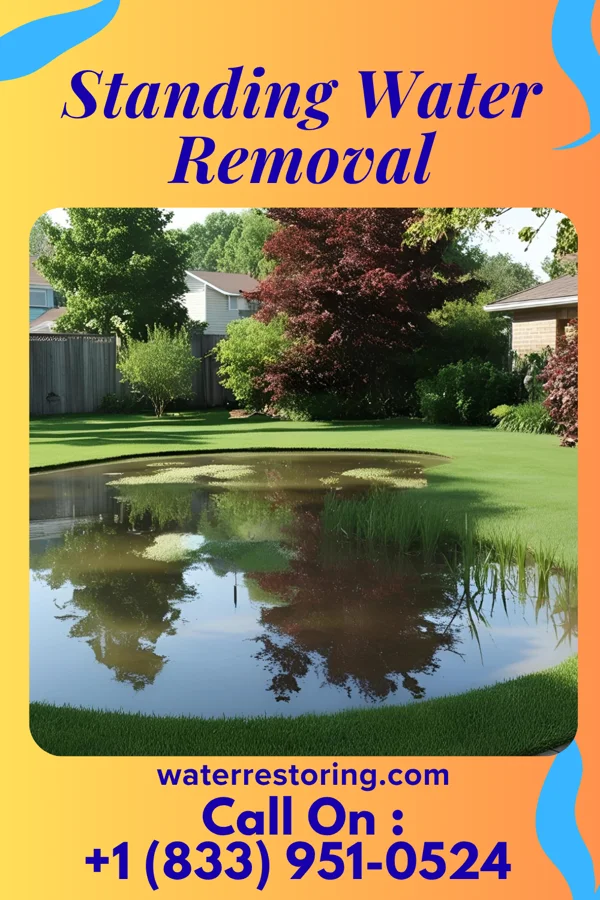
Standing Water Risks in Waynesville
Property owners across Waynesville call certified water damage restoration when In Waynesville, North Carolina, primary water damage often stems from plumbing leaks, burst pipes, and seasonal flooding near Lake Junaluska. The area's proximity to water sources and the region's occasional heavy rainfall contribute to unexpected water intrusion in residential and commercial properties.. A close second is Secondary causes include roof leaks from storms common in the Appalachian region, seepage from nearby creeks, and water damage from appliances like washing machines or water heaters. These issues are exacerbated by the local climate and terrain..
Waynesville experiences a humid subtropical climate, with heavy rainfall during spring and summer months. This increases the risk of water damage, particularly in areas with older infrastructure or poorly maintained drainage systems.
Waynesville experiences a humid subtropical climate, with heavy rainfall during spring and summer months. This increases the risk of water damage, particularly in areas with older infrastructure or poorly maintained drainage systems. The dominant local driver is In Waynesville, North Carolina, primary water damage often stems from plumbing leaks, burst pipes, and seasonal flooding near Lake Junaluska. The area's proximity to water sources and the region's occasional heavy rainfall contribute to unexpected water intrusion in residential and commercial properties., with Secondary causes include roof leaks from storms common in the Appalachian region, seepage from nearby creeks, and water damage from appliances like washing machines or water heaters. These issues are exacerbated by the local climate and terrain. showing up as the next most common cause. Damage builds in stages. Spread. Absorption. Microbial growth. Structural compromise. Every stage you pass through adds to the final bill.